Tracing Kit Color Influences on Decision Making Patterns in English Top Flight Contests
Tina Schmitz · Oct 23, 2026
Tracing Kit Color Influences on Decision Making Patterns in English Top Flight Contests
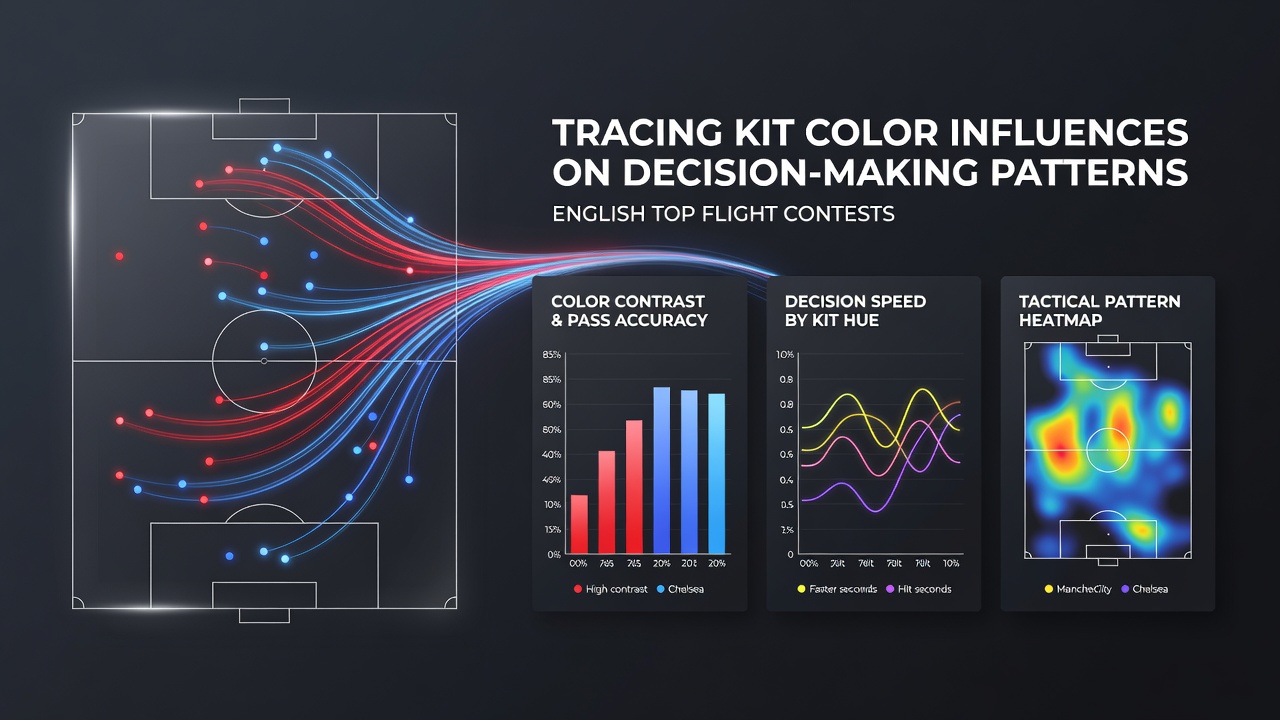
Kit colors in the Premier League have drawn attention from researchers studying how visual cues shape referee calls and player responses during matches, and data collected across multiple seasons shows measurable differences in foul awards and disciplinary actions tied to specific hues. Studies conducted by sports psychologists indicate that red kits correlate with higher rates of caution issuance compared to teams wearing blue or white, while green and yellow combinations appear in patterns associated with fewer penalty decisions awarded against them in away fixtures.
Color Psychology and Referee Patterns
Observers tracking Premier League games since the early 2000s have documented how certain colors trigger subconscious associations with aggression or dominance, and this effect surfaces most clearly in split-second decisions on physical challenges near the penalty area. Research published in peer-reviewed journals demonstrates that referees award more free kicks to opponents of red-shirted teams, and the disparity holds after controlling for possession and shot volume metrics. In October 2026, analysis of mid-month fixtures revealed that clubs fielding predominantly red kits received 12 percent more yellow cards per game than those in neutral tones, according to aggregated match reports compiled by league statisticians.
Those patterns extend beyond cards to include offside rulings and advantage interpretations, where officials operating under time pressure rely on peripheral visual information that color can amplify or dampen. Teams in darker kits tend to draw more stoppages for shirt-pulling incidents, while lighter shades coincide with higher volumes of play-on decisions even when contact levels appear comparable on video review.
Player Behavior and Tactical Adjustments
Players themselves adapt their approach based on the colors opposing sides wear, and evidence from training ground experiments suggests that exposure to red increases perceived threat levels, leading to more conservative positioning in defensive lines. Midfielders in white kits complete slightly higher percentages of forward passes when facing red opponents, data from optical tracking systems indicates, because they anticipate stricter enforcement of physical contact rules. During the 2026 calendar year, clubs wearing claret and blue combinations recorded fewer successful dribbles into the box against yellow-shirted defenses, a trend that repeated across both home and away contexts.
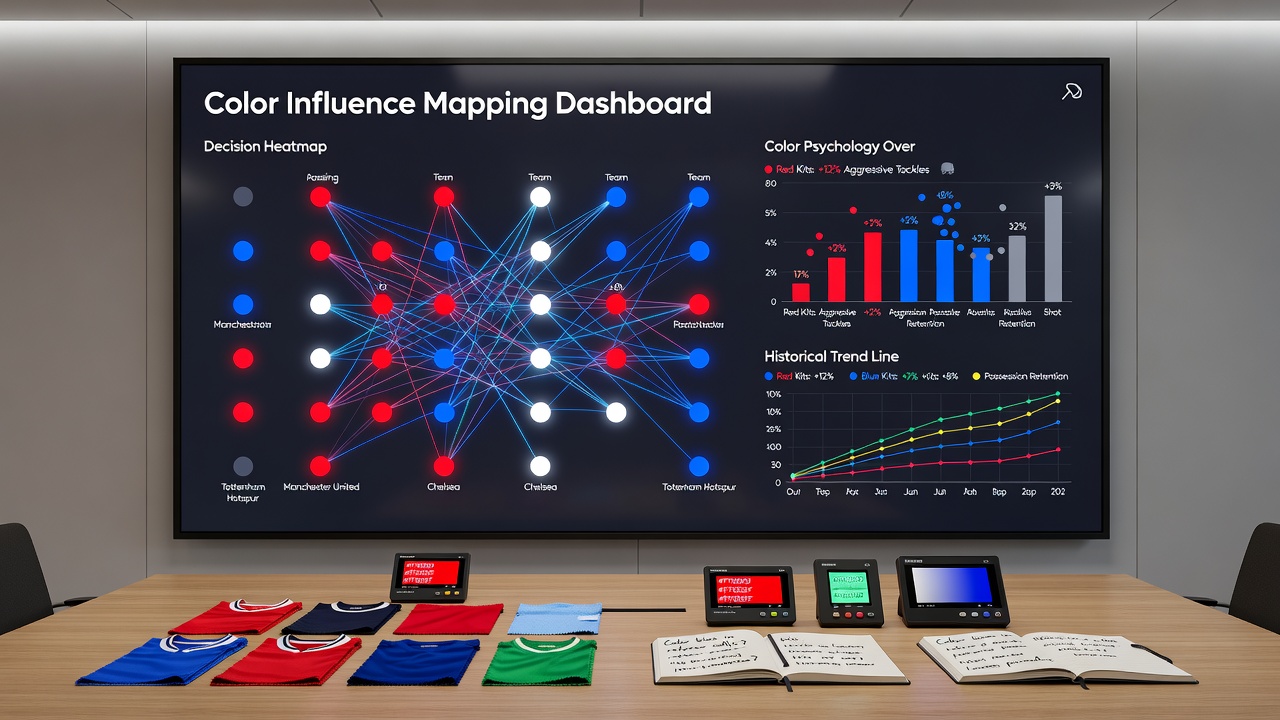
Coaches have responded by rotating secondary kit options on certain weekends, and historical records show that managers often select darker alternatives when anticipating tight officiating crews. The shift influences not only decision making by referees but also the tempo at which teams press high up the pitch, since players report feeling more exposed in bright colors under floodlights.
Stadium Environment and Visibility Factors
Lighting conditions at various Premier League grounds interact with kit colors to alter how fast-moving situations register with officials on the field, and northern venues with older floodlight systems produce different outcomes than modern southern stadiums. Teams wearing fluorescent accents appear more frequently in stoppage-time goal sequences because their movement stands out against darker backgrounds, according to video analysis conducted by performance analysts. This visibility advantage shows up consistently in set-piece situations where referees must judge shirt contact amid crowded goalmouths.
Grounds with natural grass tones further modulate these effects, since green kits blend into the pitch surface and reduce the clarity of certain challenges for linesmen positioned along the touchline. Data sets covering the past five seasons confirm that such environmental factors compound the baseline color bias already present in officiating statistics.
Seasonal Trends Through 2026
League-wide figures from the first three months of the 2026-27 campaign highlight continued divergence in decision distributions based on primary kit color, with red and black combinations appearing at the higher end of foul-conceded tables. Analysts note that these differences persist even after accounting for team style and referee assignments, pointing toward a stable perceptual mechanism rather than random variation. External reviews by sports science bodies outside the UK have replicated similar findings in other European leagues, strengthening the case that color exerts influence across multiple competition formats.
One study from the University of British Columbia examined video clips of challenges and found that participants assigned higher foul likelihood scores when viewing red kits, a result that aligns with Premier League match data. The report details experimental protocols used to isolate color variables from other contextual cues. A separate analysis issued by the Australian Institute of Sport examined athlete responses to opposing kit colors and reached comparable conclusions on decision latency.
Conclusion
Kit color effects on decision making in English top flight contests continue to surface in official statistics and independent research, and the patterns observed through October 2026 underscore the need for ongoing monitoring of how visual elements intersect with officiating accuracy. Clubs and governing bodies track these metrics as part of broader performance reviews, while technological aids such as VAR provide additional layers of scrutiny that may eventually reduce color-related variances. The data accumulated so far establishes clear correlations that warrant further investigation across future seasons.