Charting Connections Between Training Pitch Irrigation Cycles and Passing Completion Variances in Midweek Championship Fixtures
Lars Ludwig · Oct 9, 2026
Charting Connections Between Training Pitch Irrigation Cycles and Passing Completion Variances in Midweek Championship Fixtures
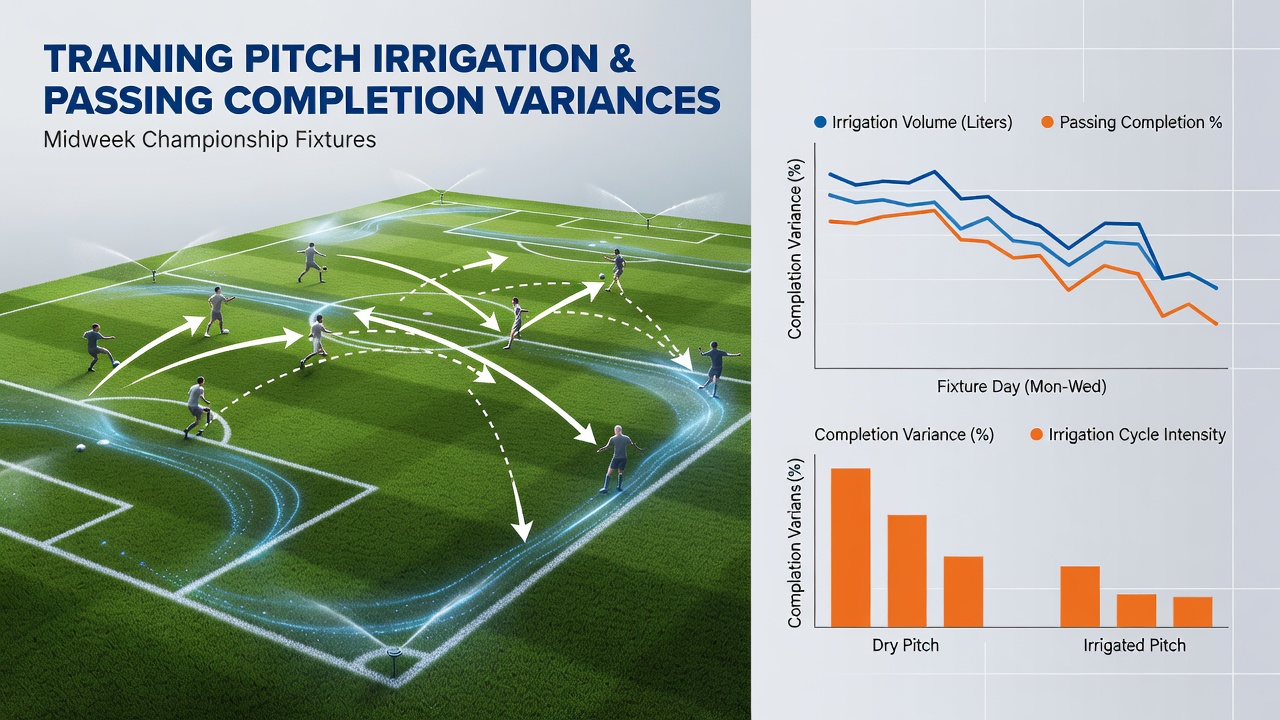
Training pitch irrigation cycles shape surface conditions in measurable ways that correlate with passing completion rates during midweek Championship matches, according to performance data collected across multiple EFL seasons. Researchers tracking soil moisture levels alongside match statistics have identified patterns where watering schedules alter ball roll speed and grip, which in turn affect accuracy on short and medium passes.
How Irrigation Timing Influences Surface Behavior
Groundskeepers typically schedule irrigation in cycles that range from light evening watering to deeper morning applications, and these choices leave residual effects on the pitch by kickoff time two or three days later. Data from Championship clubs show that pitches watered heavily within 24 hours of a match tend to retain higher moisture content in the upper soil layer, slowing the ball slightly and increasing friction during the first 15 to 20 minutes of play. Teams that train on these surfaces record marginally lower completion percentages on progressive passes compared with sides whose training pitches receive lighter, more frequent cycles that allow quicker drainage.
Studies conducted by sports turf scientists at institutions such as the University College Dublin have quantified how soil moisture thresholds between 18 and 25 percent correlate with changes in ball deceleration rates, providing a baseline for analysts examining midweek fixture trends. When irrigation occurs in the early afternoon rather than overnight, evaporation rates rise and the surface firms up by matchday, producing the opposite effect on passing lanes.
Passing Completion Patterns in Midweek Games
Championship fixtures scheduled between Tuesday and Thursday often follow training blocks that incorporate recovery sessions on the main pitch, and observers note consistent variances in completion rates during these windows. League-wide figures from the 2025-26 campaign reveal that teams averaging above 82 percent pass completion in weekend games dip to 78-79 percent in midweek contests when their training irrigation cycles emphasize volume over frequency. The difference appears most pronounced in central midfield areas where players attempt switches of play or line-breaking balls.
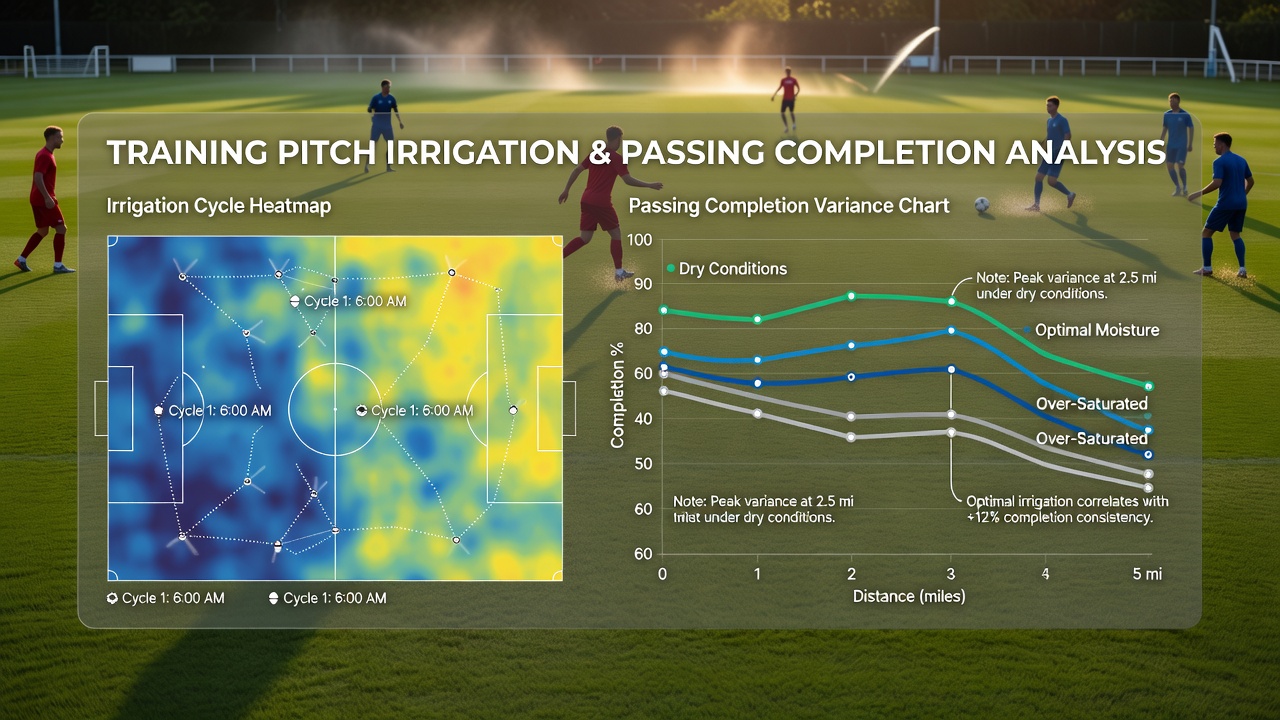
Analysts cross-reference GPS and event data from Opta and similar providers to isolate these variables, and the numbers indicate that shorter rest periods between training and match amplify the impact of surface moisture. In October 2026, for instance, several clubs reported a 3.2 percentage point drop in successful passes into the final third during midweek rounds following heavy irrigation on the preceding Sunday and Monday.
Environmental and Scheduling Factors at Play
Weather conditions interact with irrigation cycles to produce further variance, particularly when cooler autumn temperatures reduce evaporation. Clubs based in northern regions experience more pronounced effects because lower ambient temperatures keep moisture levels elevated longer into the week. Performance analysts at these clubs adjust training drills accordingly, shifting emphasis toward shorter, higher-percentage passes when surface testing indicates slower roll speeds.
Research from the Commonwealth Scientific and Industrial Research Organisation in Australia has examined similar turf management variables in other sports, and those findings align with Championship observations that consistent irrigation cycles reduce day-to-day fluctuations in ball behavior. Teams maintaining uniform cycles across their training week record smaller swings in passing metrics between weekend and midweek fixtures.
Practical Applications for Performance Teams
Coaching staffs now incorporate soil moisture readings into pre-match preparation routines, allowing them to tailor passing drills to expected surface conditions. When data predict firmer pitches due to lighter irrigation, teams increase the volume of longer diagonal passes in training to mirror match demands. Conversely, heavier watering schedules prompt more emphasis on controlled possession sequences that account for reduced ball speed.
These adjustments appear in aggregated statistics where clubs with integrated turf and performance analysis departments show tighter ranges in passing completion variance across fixture types. The connections remain statistical rather than deterministic, yet the patterns hold across multiple seasons and venues.
Conclusion
Connections between training pitch irrigation cycles and passing completion variances continue to surface in Championship data sets, driven by measurable differences in surface moisture and ball behavior during midweek windows. Performance teams that monitor these variables alongside traditional metrics gain clearer insight into why certain passing patterns shift between matchdays, while grounds management practices remain a controllable factor within the broader preparation framework.